Chasing THC Won’t Get You Your Best High.
Since THC was isolated and fully described in 1964, it has dominated conversations around cannabis and its effects (both recreational and…
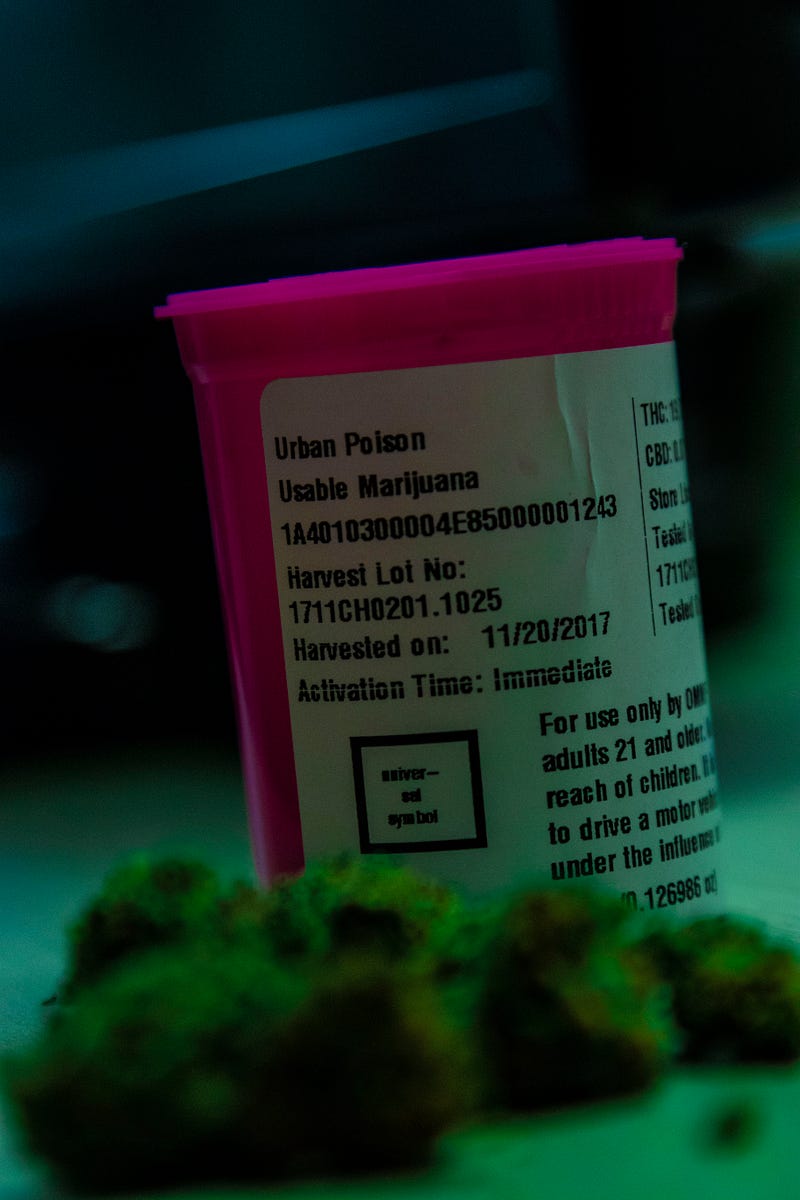
Since THC was isolated and fully described in 1964, it has dominated conversations around cannabis and its effects (both recreational and medicinal). It is required on labeling across all of the US states in which cannabis is legal, which further cements its importance to the cannabis experience. Chasing THC has downsides for consumers. As our knowledge of cannabis evolves, new evidence constantly comes to light. In recent years, we’ve discovered that THC alone isn’t responsible for how cannabis makes us feel, and the perception of THC inebriation isn’t increased by larger doses of THC.
Budtenders, growers, dispensary owners, and cannabis testing laboratories will all tell you that THC is king because that’s what the consumer thinks.
Chasing THC cripples the consumer’s ability to understand how whole-plant cannabis affects them. The unfettered desire for higher THC numbers is what drives the legal cannabis marketplace by making THC-heavy strains more prevalent, thus narrowing the market. This also decreases the likelihood that consumers will do the explorations necessary to understand their best-fit cannabis. Most cannabis consumers are still shopping by ‘give me the highest THC you’ve got,’ and that message has been heard loud and clear within the industry.
There is also a fundamental disconnect between what is being tested, and the consumer’s understanding of cannabis testing. Many consumers understand that the test results on their cannabis indicates THC content, but many don’t understand that the test for THC content is largely dependent on how the laboratory samples, when the sample was taken — and a host of other factors. While largely it will, indeed, tell you what the THC content is for any given batch of flower from any given farm, there are also many other factors in how much THC is present in what you are consuming. I’ve had plenty of people tell me their exact THC content of their tincture, only to be somewhat crushed when I have to tell them that it’s a great estimate — but without an actual test of that tincture when it’s perfectly blended, it’s going to be impossible to know with certainty the actual THC content, if you’re basing it off the test results for your flower.
Maybe I’m just salty, because I know of at least one of my favorite strains that is going the way of the dodo because its low THC content means it won’t sell. The funny thing is, this lovely Lime OG from the folks at 54 Green Acres packs a wallop, regardless of what the THC numbers say. But, tragically, it won’t be included in this year’s lineup because without the THC numbers, it’s not as interesting to consumers (even though it literally tastes like limes and has a nice body high with a giggly feel).
The fact of the matter is, we still have a lot of growing and knowing to do when it comes to cannabis. While THC is a contributor to that feeling of being high, it’s not the sole contributor. Until we learn more about how the brain works, we’re far away from getting scientific evidence of how this plant can help us. Until then, we all need to embark on our own cannabis explorations to understand what we are seeking from our cannabis experiences, and how to get the most out of them.