Cooking with Cannabis
Every streaming service has its own cannabis cooking show where chefs demonstrate the versatility of flavors available from cannabis and…
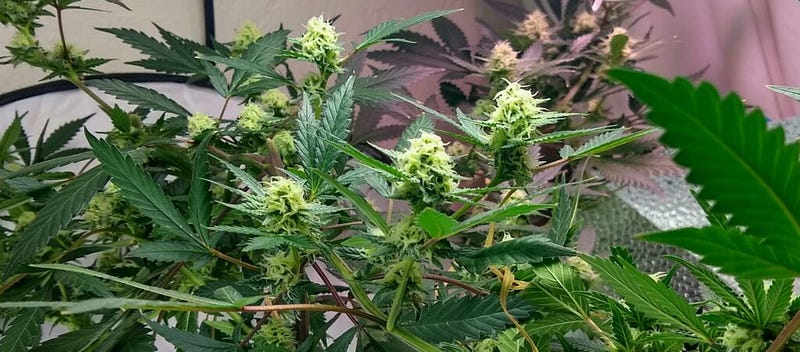
Every streaming service has its own cannabis cooking show where chefs demonstrate the versatility of flavors available from cannabis and its extracts. It’s highly enjoyable to consider some of the many ways that cannabis can be integrated into the kitchen — it’s not all about ‘pot brownies’ anymore. The shows tend to showcase many different types of extracts, from butter to crystals. Like many others with food allergies, I maintain strict control of my food’s ‘supply chain’ in that I don’t ingest food whose processing I don’t understand.
Flower Power
For me, everything starts with flower. I have a strong preference for the flavors and effects that are created by sungrown, organic cannabis. Currently the USDA does not certify any cannabis products as organic, but there are several certification bodies such as Certified Kind, Sun + Earth, and Clean Green that do certify cannabis as organic. Each organization emphasizes its values and standards and ensures compliance all the way through a supply chain.
Many of the cannabis cooking shows I’ve streamed do feature flower in some facet, but often it’s using it essentially as a charcoal (for its smoke) or ground up as a spice. While I’ve experimented in using some smoke (for some beans and some tofu), I didn’t find the effects to be worth burning up all that cannabis, and the flavors were far too subtle to truly enjoy and sink in to some of the terpenes of the flower.
In some instances you’ll see an enterprising chef grind some fresh flower onto a dish to bring the flavor of cannabis into it. Consuming cannabis without decarboxylating it will not give any of the psychoactive effects of the cannabis, but it will allow for many of the flavors to be experienced. Since part of what I’m seeking from cannabis is the psychoactive effects, this isn’t a method for me.
I do, however, sprinkle cannabis on my food. I water cure all of my after vaped bud which is great for this sort of use. We’ve also baked AVB into bread, added it to peanut butter, cooked it into cookies, and added it directly to chili and curries this way. The water curing process takes away a lot of the ‘burned’ flavor that people dislike about AVB, and helps with the digestibility of the plant’s fiber.
Infusions
THC is soluble in fat, which makes it a natural for a variety of oil-based infusions. Infusions are another way that I commonly cook with cannabis, and I most often use an olive oil infusion. Our latest favorite around the kitchen is using infused tahini to make hummus, though since the flavors of the cannabis naturally enhance and compliment those of the hummus, this should come with a warning note, because it’s easy to overdose on infused hummus!
Olive oil isn’t the only oil infusion you can use with cannabis. Cannabutter is one of the most popular and time-tested methods of cannabis infusions, and you can also infuse coconut oil with cannabis if you are a plant-based baker. Because of the high fat content of coconut oil, it’s an extremely effective oil to infuse with cannabis. Dose carefully.
Be careful not to overheat the oils if you are seeking psychoactive effects, as too much heat will reduce efficacy. Properly infusing oils will take several hours. When straining the infused oil, don’t squeeze the plant matter too much, as it will introduce a lot of chlorophyll into your final product.
Tinctures
Tinctures can be made in a variety of methods using alcohol, glycerin, or oil, and they can be added to drinks and foods before consuming in order to give your food a kick. Like with any cannabis product, to get the psychoactive effects in the tincture, it’s important to decarboxylate the cannabis first. If you are using after vaped bud, which is already decarboxylated, make sure you water cure it first to remove any unwanted flavors. You’ll always want to dry your cannabis after you water cure it, so you don’t introduce too much water into your tincture — unlike with oils, it will only dilute your solution, as there is no way to remove it.
Tinctures can be added directly to soups or drinks. I don’t recommend adding tinctures to baked goods, as the temperatures would probably burn off all of the desired effects. If you’ve always dreamed of sipping some cannabis tea, a tincture is a great way to make that happen.
Cannabis, because of its many varied flavors and terpenes, offers a new world of flavors and smells for chefs looking to explore, but if you want the psychoactive effects, it’s important to remember to keep temperatures on oils and tinctures low.
Originally published at https://oregoncannabisgazette.com on August 4, 2020.