Get To Know a Cannabis Terpene: Bisabolol
Bisabolol is a terpene found in cannabis and chamomile, and like other terpenes contributes to the scent and effects of cannabis strains.
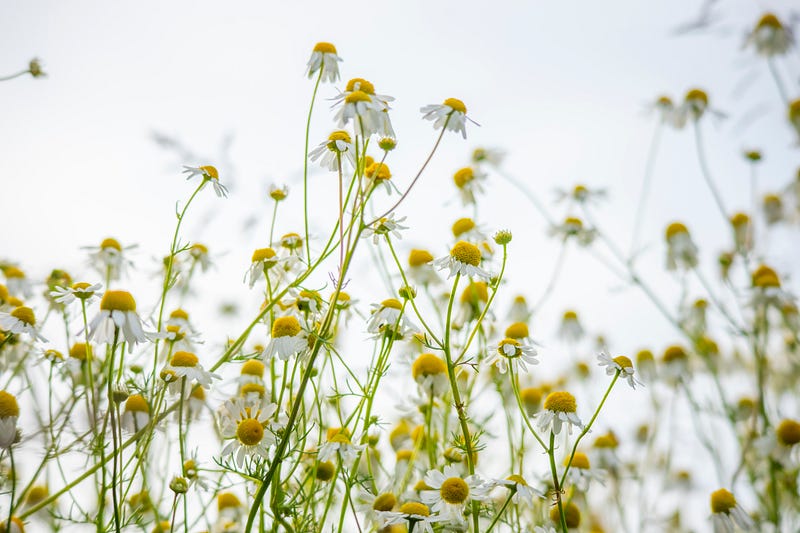
The inspiration for today’s terpene comes courtesy of the sweet floral scent of chamomile tea wafting from my mug. These bright tiny flowers are brimming with Bisabolol, or α-bisabolol, which is the primary constituent of the oil from German chamomile. Bisabolol is found in two forms — alpha and beta. While this article is concerned with alpha-bisabolol since its the one in cannabis, I still thought it would be fun to note that beta-bisabolol is found in corn and cotton.
Anyway, alpha-bisabolol contributes to chamomile’s light floral scent. German chamomile has been in use for hundreds of years for its anti-inflammatory and anti-bacterial properties when used directly on the skin, and its anti-anxiety and digestive aid properties when used in a tea (chamomile tea is the gateway to many people’s entry into herbalism!). In Meyer’s ‘American Folk Medicine’ over 30 uses for chamomile are listed, featuring uses such as nausea, bad breath, abortion, menstrual problems, stings, and indigestion. Which, honestly, seems like a pretty wide list of herbal remedies.
The sweet, delicate scent of alpha-bisabolol is one reason it’s been added to so many cosmetic products. In addition to its good smell, bisabolol also aids percutaneous absorption and reduces inflammation, which is largely welcome in any skincare routine. As with any terpenes, some people will find their skin sensitive, so be sure to patch-test any products boasting this terpene before going ‘all-in.’
Since chamomile has such a large range of uses, it should be no surprise that bisabolol is featured in a wide array of patents and products. In one, bisabolol is used as part of an oat lipid extract. In another patent application from Mary Kay, bisabolol is included in a skincare product. An Allergan patent also uses bisabolol to help heal the skin — specifically this product is geared towards healing aging and injured skin. Yet another included bisabolol in a composition meant for nanoemulsion that would suppress, prevent, or eliminate allergic or inflammatory disease. Good luck, dear patent applicant.
Bisabolol was shown to cause cell death in , the parasite that causes Chagas disease.
One study found bisabolol to be associated with a variety of gastroprotective effects.
I regularly pair chamomile tea with my bedtime routines, so it should be no surprise that most strains featuring bisabolol will be associated with the term ‘indica.’ Its anxiolytic and relaxing properties join well with the other terpenes in those strains like and .
Boiling Point: 308° F
Other Sources: basil, bergamot, chamomile, carrot seed, cedarwood, corn, fleabane, ginger, guava, lavender, lemon, lime, orange, pine, tansy, wormwood, yarrow, ylang ylang. primary constituent of German chamomile oil which contains up to 50% alpha-bisabolol.
Scents: Floral, sweet, spicy.
Flavors: Floral, sweet, spicy.
Article Sources:
https://en.wikipedia.org/wiki/Bisabolol
www.thegoodscentscompany.com/data/rw1042821.html
https://www.sciencedirect.com/search?qs=bisabolol&subjectAreas=2700&lastSelectedFacet=subjectAreas
https://pubchem.ncbi.nlm.nih.gov/compound/10586#section=Computed-Properties
Originally published at https://oregoncannabisgazette.com.