Get to Know a Cannabis Terpene: Humulene
This terpene derives its name from hops, and has been helping mankind for centuries.
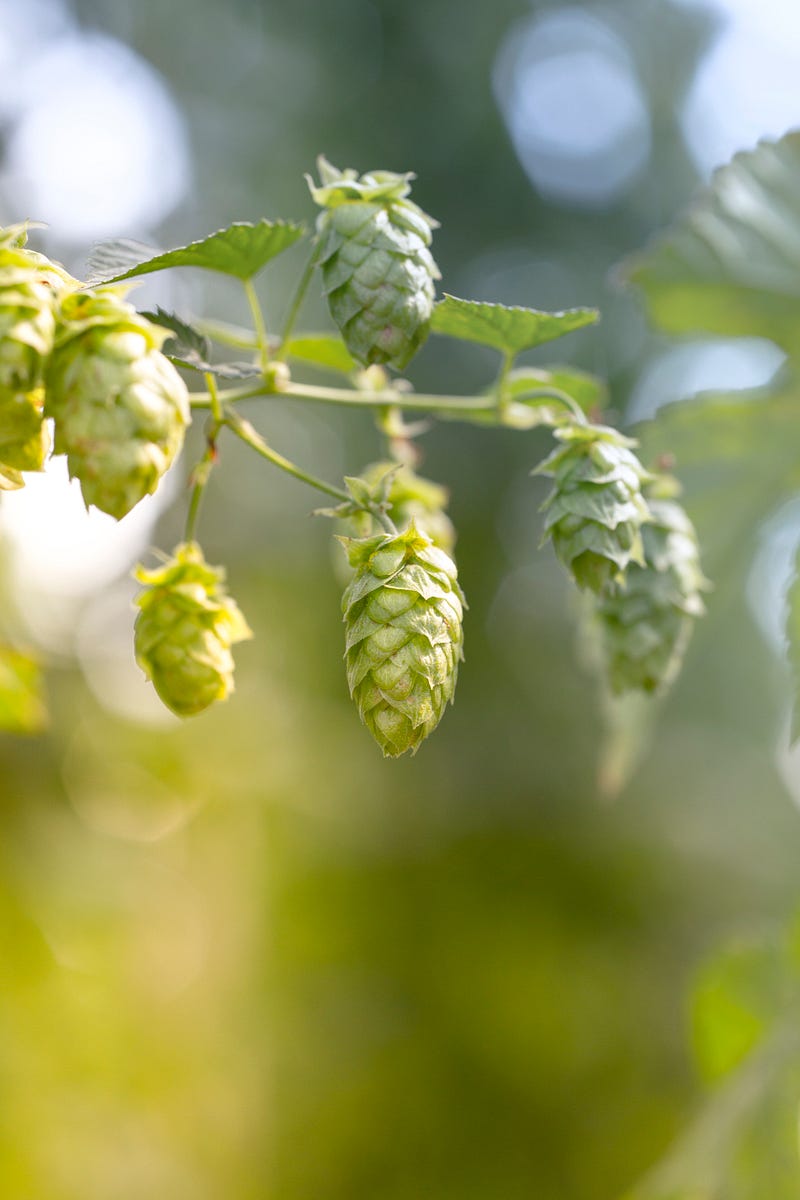
Humulene, a monocyclic sesquiterpene, gets its name from the scientific name of the hops plant, humulus lupulus, which is a fun scientific name to say. Humulus was apparently ‘Latinized from a germanic h*m*l cluster.’ Lupulus, meaning ‘small wolf’ was derived from a nickname for hops — ‘willow-wolf.’ Hops was known for growing above other plants such as willows and strangling them (‘like a wolf does a sheep’). Hops are also a member of the family cannabaceae, along with cannabis! Humulene is a magnificent name for this terpene.
Abundant in nature, Alpha-humulene is often found in conjunction with beta-caryophyllene. Alpha-humulene is also known as alpha-caryophyllene because science synonyms are fun. Alpha-caryophyllene / humulene is a ‘ring-opened isomer’ (referring to a ring in its chemical structure) of beta-caryophyllene — but it doesn’t influence the CB2 receptor as beta-caryophyllene does.
Do you know that bright, green, delicious smell that hits you when you walk into a dispensary? That smell is part humulene and part myrcene, two terpenes with the longest linger time. Humulene manages to smell woody without any astringency. Think of how your hand smells after you picked tomatoes, the smell of some fresh hops, or that crispness of a hoppy beer. The bright, herbal scent lingers for quite some time.
The contribution of hops (and therefore humulene) to beer can’t be understated. It should be no surprise that humulene features in many patents for various fermentation processes. Another really interesting patent is on a plant that is a cross of cannabis ruderalis and Humulus lupulus (I love excuses to write it!), that produces CBD but no THC.
Humulene, like many other terpenes, is also listed as part of an insect repellant composition. Exposure to humulene was found to reduce fruit fly mating. Humulene is also included in a patent for an agent meant to increase plant growth.
Valued as a relaxing herb long before even becoming an ingredient in beer making, humulene-heavy hops have a long tradition of use in folk remedies and folk medicine, especially as a way to help people relax. Because of its natural prevalence even outside of cannabis, there has been a generous amount of research on humulene and its medical uses (humulene in the context of whole-plant cannabis medication has not yet been extensively studied due to the difficulties of working with a federally criminalized substance). A dry extract of hops was found to reduce anxiety in study participants.
The findings of one study definitively found alpha-humulene to have efficacy as an anti-inflammatory agent.Humulene also appears to be relevant outside of humans, as Evarcha culicivora, a type of jumping spider, is capable of detecting alpha-humulene (among other terpenes).Humulene has been found to enhance the anti-cancer effects of beta-caryophyllene in human tumor cell lines.Balsam fir oil, which contains humulene, was found to be effective against certain cancer lines. Humulene is a contributor to the anti-microbial potential found in the essential oil of valerian.In rats, the essential oil from Casearia sylvestris leaves was found to be a powerful anti-ulcer / anti-inflammatory agent.Balsam fir oil has also been studied for being an effective anti-bacterial agent.
Humulene is prevalent in many strains of cannabis often with its isomer / friend beta-caryophyllene. It’s often associated with ‘sativas.’ Sometimes you’ll find quite a bit of humulene in a strain with a name like “Skunk” or “Diesel.” The best way to ensure that you are experiencing a strain with humulene is to make sure you are consuming cannabis that has its full terpene tests from a reliable lab available.
Boiling Point: 223° F
Other Sources: Hops, sage, spearmint, basil, ginger, Vietnamese coriander, yuzu leaf, ylang-ylang, yarrow oil, wormwood, tomato leaf, thyme, tea, tamarind, cloves, rosemary, raspberry, bergamot, black pepper, parsley, pennyroyal, oregano, orange peel. nutmeg, marjoram, mandarin, lime, lemongrass, juniper, clove, cinnamon, valerian, Cyprus, blood orange, marsh elders, oranges, turmeric. There have been reported cases of hops oil comprised of up to 36% humulene.
Scents: woody, spicy, herbaceous.
Flavors: Woody, spicy, and herbaceous.
Article Sources:
https://en.wikipedia.org/wiki/Humulene
https://en.wikipedia.org/wiki/Humulus_lupulus
www.thegoodscentscompany.com/data/rw1027221.html
https://www.sciencedirect.com/topics/medicine-and-dentistry/humulene
https://pubchem.ncbi.nlm.nih.gov/compound/5281520
Originally published at https://oregoncannabisgazette.com.