It’s High Time to Move on From Indica vs. Sativa
We know so much more about cannabis, it’s time to pick a more meaningful way to talk about it.
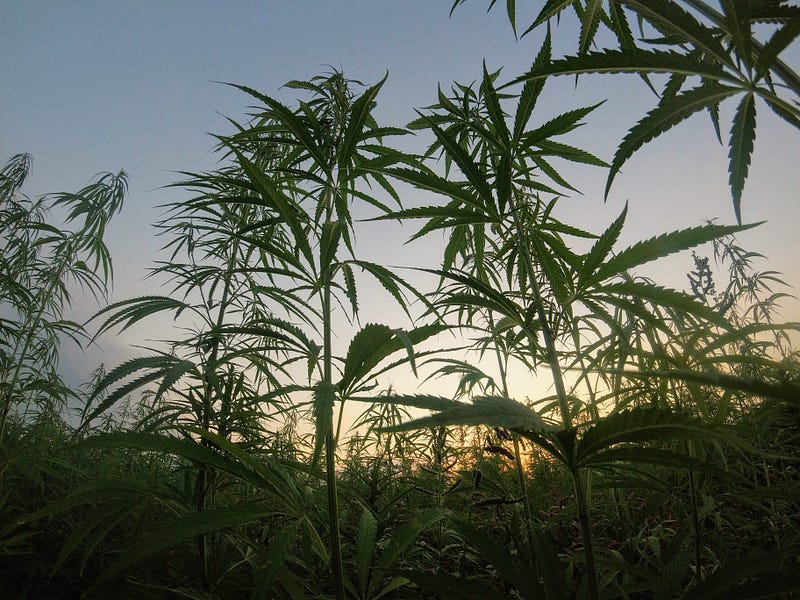
It’s High Time to Move on from Indica vs. Sativa
I was recently given the very singular opportunity to evaluate and write up 10 strains that 54 Green Acres is producing for the next season. Let’s be honest — for me it’s dream work. I get to think about, score, and write about cannabis while simultaneously staring at testing information revealing the terpene content for each strain (and chart making — lots of chart making, because that’s how I process data). As I was putting my notes together into articles, I had an epiphany: the actual idea of indica vs. sativa is useless for determining strain effects.
I used to be a firm believer in this categorization, and you can even read me espouse the belief that you can determine if a strain is an indica or a sativa by the amount of myrcene in them in prior articles. But more and more I come to suspect that all indica vs. sativa can tell you is about the shape the plant grows in. The only people that really need to care if a plant is indica or sativa are growers.
A Plant’s Shape Doesn’t Tell You Its Chemical Composition
A sativa grows to be taller, has a longer flowering cycle, and an indica is shorter and bushier. That’s it. That’s what it means. When you start to assign any more meaning to the words than that, you start to get in trouble.
Despite nearly every dispensary asking you ‘do you want a sativa, indica, or hybrid’, I can say with high confidence that it doesn’t matter in the long run. While those terms act as a short cut to talk about effects, it actually does a disservice to everyone in the long run. We don’t know enough about cannabis and how it effects us to be taking any type of shortcuts in our language describing it.
Our bodies don’t change their reaction to cannabis based on what shape the plant was.
There’s a lot more going on in how a strain hits you than just the amount of myrcene.
One of the common pieces of information that we have about terpenes is that indicas tend to have an abundance of myrcene. It’s a general rule of thumb that isn’t always true. Not only do some tall sativa strains have large amounts of myrcene in them, there are many strains that have high myrcene that don’t have the effects that ‘indica’ attempts to describe (that is, stupefying with a body buzz).
Myrcene isn’t the only thing that is giving the analgesic effect. We are still attempting to understand how terpenes and cannabinoids work together, just as we are still discovering all of the terpenes in cannabis.
You can’t really tell anything about the lineage of modern cannabis.
There’s a lot of factors working against understanding cannabis lineage. The long period of time during which it was fully illegal makes it hard to trace exactly what was happening with the genetics during that period. The realities of farming mean that there is constant play at selecting more prime genetics for a growing environment. While organic farmers may keep fastidious notes about which strains they were cross breeding to create a particular phenotype, even then nature can conspire to hide its magic.
The Fifth Ligament (or Unknown Unknowns)
A few years ago, physicians discovered a fifth ligament in the knee. Suddenly a lot of cases in which knee patients who had complained of issues after ACL corrections (I was one of them) made sense. Donald Rumsfeld would have called the existence of that fifth ligament an unknown unknown. Apply that to cannabis as well — even in the best of cases we don’t have the exact lineage of the plant to ensure our assumptions about indica vs. sativa are correct.
Terpenes and cannabinoids don’t affect everyone the same way.
Everyone’s body is different — we are all individual, unique expressions of an electro-chemical machine. That means that even with a full list of terpenes and cannabinoids, unless you have spent a lot of time exploring how different ones affect you, it’s not going to be very meaningful at first. By using generalized and inaccurate terms like indica or sativa, we are limiting our ability to meaningfully communicate.
How we buy and interact with cannabis is changing on a daily basis. We’ve learned an exceptional amount about how this plant affects us, and we are constantly learning more about why. In a time post-COVID where physical access to cannabis samples is being lessened out of necessity, it’s vital that we have a language with which to meaningfully communicate regarding the effects of cannabis. Using ‘indica vs. sativa’ does that conversation a disservice. It’s time for us to move on.
Sources:
Cannabis — from cultivar to chemovar


