Mythical Myrcene: The Most Prevalent Terpene in Cannabis
Terpenes are a class of approximately 20,000 different chemicals produced by a wide variety of plants, animals, and even some insects…
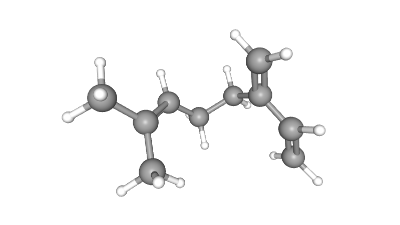
Terpenes are a class of approximately 20,000 different chemicals produced by a wide variety of plants, animals, and even some insects. Terpenes have lately gained press and notoriety for being one of the contributors to the some of the medicinal and recreational affects of cannabis (cannabinoids are the other contributor). Over 200 terpenes have been found in cannabis, and they are wholly responsible for the smells and flavors of cannabis. Pinene is the most prevalent terpene in nature, while myrcene is the most prevalent terpene in cannabis. Myrcene is named for the myrcia plant, one of many in which it is found.
In his 2011 paper found in the British Journal of Pharmacology, “Taming THC: Potential Cannabis Synergy and Phytocannabinoid-Terpenoid Entourage Effects,” Dr. Ethan Russo described both how terpenes contributed to the experience of cannabis, as well as many other possible contributions that should be studied. The paper opens by pointing out that few people to that point had bothered to explore beyond the identification of THC in 1963, which was presumed to be wholly responsible for the effects of the plant. The paper covered a large variety of possible ways that cannabis terpenes may impact the effects of cannabis, concluded that directing the breeding of cannabis towards the production of particular terpenes and cannabinoids had the potential to strengthen clinical applications of cannabis.
Terpenes also contribute to the flavors and smells of cannabis. We routinely use terpenes to flavor our food, and to create perfumes and scents.
Where to Find Myrcene
Myrcene is a particularly abundant terpene in cannabis, and can sometimes represent over 20% of the terpene profile. In addition to cannabis, it can be found in a large variety of plants:
Basil, bay leaf, bergamot, blood orange, blueberries, cardamom, carrots, celery leaf oil, celery seeds, chamomile, cinnamon, citronella, clary sage, coriander, cumin, black currants, dill, eucalyptus, fennel, frankincense, geraniums, grapefruit, guava, hops, hyacinth, juniper berry, lavender, lemon balm, lemon leafs, lemongrass, limes, mandarin, mango, marjoram, myrcia, neroli, nutmeg, oranges, oregano, parsley, black pepper, peppermint, pomelo, rosemary, sage, spearmint, tamarind, tarragon, tea leaf, thyme, wormwood, ylang ylang, yuzu.
Most isolated myrcene today is produced by pyrolosis of another terpene, pinene.
Vaporization point
166–167 C (332 F)
Smell
Because it’s found in so many plants in small amounts, myrcene can help evoke many different scents depending on how concentrated of a solution you are dealing with — from the earthy smell of hops all the way to contributing to sweeter smells like lemon. It can also take on spicy tones, such as black pepper or cloves. It has a large amount of usage in ready-made savory dishes. It can have a bit of a tropical smell, much like one of its sources, mangoes. But it can also have a balsamic smell. It’s used as an intermediate in the perfumery industry, partially because of how it can support other scents. Myrcene gives some beers their pepper / balsamic odor.
Flavors
Myrcene was considered useful in citrus flavor imitations and fruit blends, but as of October 9, 2020, myrcene will no longer be used as a food additive. This does not affect its status as a product generally represented as safe for consumption, however.
The FEMA food flavoring profile lists myrcene as tasting like Balsamic, Fruit, Geranium, Herb, Must. Myrcene gives cannabis vapor a variety of flavors, depending on how much is in the strain and what other terpenes are present. It can be spicy, fruity, or earthy. When people have described cannabis to me as ‘dank’ it is often myrcene-heavy.
Other Uses
Myrcene assists in the creation of other industrial products. It’s also used in air care products, cleaning products (including laundry and dishwashing detergent), and personal care products.
Medical uses
Myrcene, like most of the chemicals found in cannabis, could benefit from more scientific study. For instance, myrcene is protective of cardiac tissue in rats, but it’s unsure how that translates to humans. Some species of myrcia were used in traditional medicines as a treatment for a variety of ailments, such as diabetes, diarrhea, inflammation, and pain. There are a variety of effects associated with myrcene, which makes it an exciting area for scientific inquiry.
Current Clinical Trials
Myrcene Myths
Myrcene and the blood brain barrier
The internet has helped propagate the idea that myrcene alters the interaction at the blood brain barrier. This was originally posited by Dr. Russo as a possible area of study, but it was never fully tested. There have been no peer-reviewed studies or published work that confirms this finding. There are many terpenes that do interact at the blood brain barrier, but myrcene is not one of them.
Put Down that Mango
It’s the presence of myrcene in mangoes that started the rumor that eating mango before ingesting THC will enhance your high, but that was based on the idea that myrcene had interactions with the blood-brain barrier. Put down the mango until there’s more scientific evidence to support it (unless, of course, you love mango!)
Sources