Preview: Tasting Cannabis Terroir
Great chefs use simple dishes, such as scrambled eggs, as a way to gain insight into another chef’s style. I thought it reasonable to…
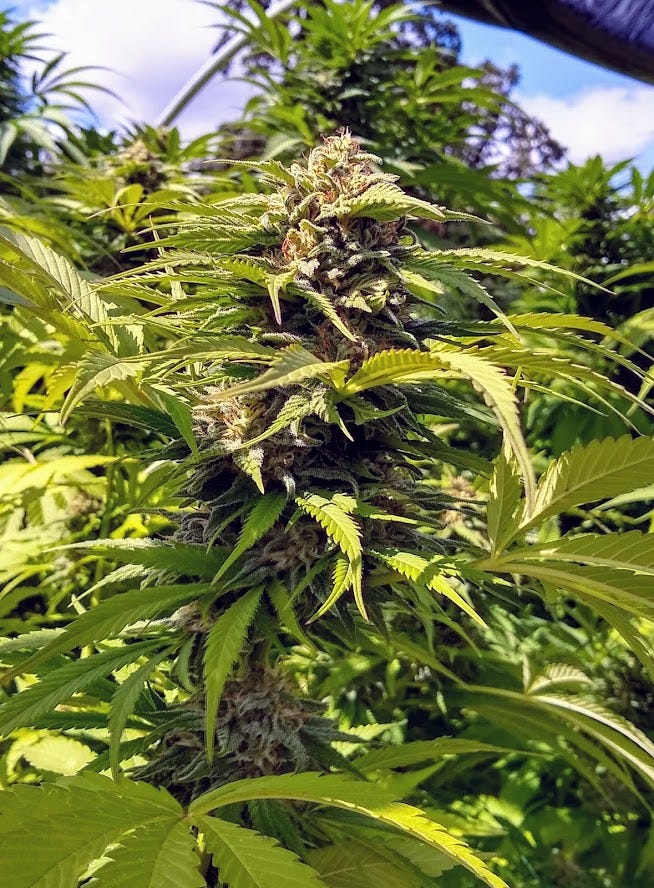
Great chefs use simple dishes, such as scrambled eggs, as a way to gain insight into another chef’s style. I thought it reasonable to embark on my own quest to take my own tour of Oregon’s cannabis. Thus, mine involved vaping a lot of Purple Punch.
It didn’t take me long (about four farms sampled) to realize that getting to really know about cannabis terroir would be much more complicated than that.
The concept of terroir is tied to the wholistic natural environment in which a wine (or in this case, cannabis) is produced. It encompasses the water, the soil, sunlight, climate, and sometimes even farming practices, but most of the time it is meant to encompass the non-human elements that contribute to a plant’s phenotype.
Wine has had an extensive relationship with the concept of terroir, with instances of the region being noted on wine dating back to the ancients (this should be no surprise, those folks knew how to drink). In some instances, there are particular stressors that a region introduces to a particular plant that give it very strong, undeniable characteristics. The AOC appellation system demonstrates how entrenched the concept of terroir has become with wine, and that’s what ensures that the designation ‘Chianti’ means something.
What would this mean for cannabis?
We already know from explorations of terpenes and growing methods that cannabis can be influenced by a variety of factors in its environment. Efforts to create growing regions in California have been successful, and there are already several proposed maps for Oregon. There’s also a study by John Bershaw underway that will attempt to express what some of those environmental impacts on the plant are, with results to be published in the new year.
All of the ideas of terroir really got me trying to express what I even though terroir was. What of plants in raised beds? At what point are soil amendments not the native soil anymore? What about glassed greenhouses but with pots filled with native soil? Is hydroponics is own separate terroir? What if you aren’t using local water? In theory, organic growing methods would allow for a more ‘pure’ expression of terroir, but even organic soil amendments are still amendments.
There is no doubt that the appellation of cannabis regions will be a lucrative business, as its another way for brands to differentiate themselves in a rapidly expanding market. It seems to me that somewhere, someone’s thought of the answers to my questions, and are probably facing more perplexing and interesting ones.
France’s AOC system has drastic variances in size — with some AOC’s at around 10 acres and others around 400 square kilometers. With that sort of vast variance, how would appellation regions differ in a places like Oregon or California vs. the plains?
Given also that each cannabis strain name is often just that — a name that someone liked — how ‘scientific’ can a personal exploration of cannabis terroir get? Since the perfect tasting setup is out of reach — what are some of the sources of information or methods that consumers, connoisseurs, and patients can use to explore their local growing regions?
I’ll be exploring these topics over the coming weeks as I describe trying to take a tasting tour through Oregon.