Unlocking Flower’s Power
Cultivating a Cannabis Palate
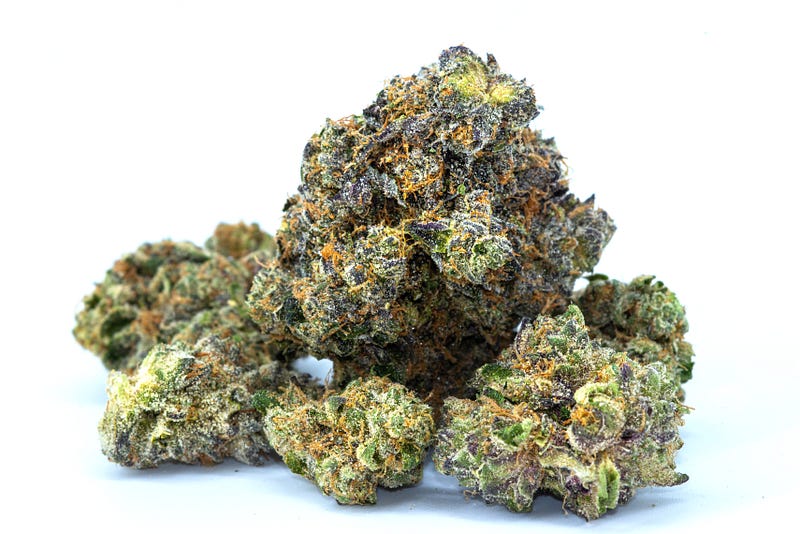
Since my introduction to cannabis when I was 16, I have wanted to learn as much about the plant as I could. When we moved to Oregon two years ago to work in the cannabis industry, I focused on learning as much as I could about what it was in cannabis that helped me as not only a patient but as a person. Along the way, I’ve learned a lot about cannabis and the flavors and effects it can offer. Here are some of the ways I cultivated a cannabis palate.
Use a dry herb vaporizer.
On King of the Hill, Strickland Propane’s motto is ‘Taste the Meat, not the Heat!’ and it’s how I feel about dry herb vaporizers — they allow you to taste the cannabis and not all of the carbon from combustion. Using a dry herb vaporizer with precise temperature also allows you to customize when terpenes express themselves in certain cultivars. I used an Arizer Extreme Q because I was looking for something that would be able to support a lot of exploration but there have been other vaporizers that I’ve used as well, but the Arizer EQ is my go-to.
Select a dry herb vaporizer that is going to best fit your usage. If you are looking for something on the go, seek vaporizers that have all-glass vapor pathways, temperature control, and a way to deal with battery life concerns. If you’d like guidance, feel free to respond to this article and I’ll do my best with recommendations.
While I rarely combust anymore, I will admit that the experience and the high of combustion can be different from what you achieve with a dry herb vaporizer. I do combust a few hits of a strain to understand how it tastes that way, but largely for me to understand flavor and extract the most from the experience possible, I focus on using dry herb vaporizers.
Research and find accessible craft cannabis.
If you live in a state where cannabis is still illegal, this will be difficult. If you are living in a state where cannabis is not illegal, you’re much more in luck when it comes to seeking brands that differentiate themselves by giving more terpene information. You can visit dispensaries to sample and see what you like, or you can browse their menus on your favorite app, whether that is Weedmaps, Wikileaf, or Leafly. This allows you time to explore what information is available on the farm online.
From there you can explore their websites and get to know them. Many are seeking organic certification to demonstrate their commitment to a type of growing technique. You should be seeking cultivators that are transparent about how they grow their cannabis. I was very lucky to find a place like 54 Green Acres farm that not only carefully crafts and cultivates their cannabis with strict organic practices, but also publishes extensive terpene profile information on each strain. If you’re not in Oregon, you can seek out information farms that are engaged in certification processes to ensure they are adhering to cultivation practices that you value.
For instance, if you are seeking sustainable or organic cannabis, seek farms that have certifications in Certified Kind, Sun + Earth, or Clean Green certification. For indoor cultivators, it may be more challenging to find such certifications because of the dependence on external power, though some have achieved it.
These aren’t the only way to find craft cannabis. It will take an understanding of the sort of standards you are seeking and some research, but you’ll find many different farms that are creating the best, finest cannabis that they can offer. Please remember, though — that just because it’s being sold at top-shelf prices doesn’t mean it’s top-shelf cannabis.
Use available lab information to understand cannabis’ terpene profiles.
If you’ve found a farm that shares all their terpene profile information, then you’ve already achieved part of this step. But if you haven’t, or if the cannabis you’re interested in sampling doesn’t have terpene information — all is not lost. Some labs, such as MCR labs share their terpene test information. Though you may not find the exact strain/farm combination you are looking for, you will be able to read general terpene information about the strain you are looking for. Be mindful, of course, that there are no strain name standards yet.
Understanding what terpenes are in your cannabis aren’t the same as understanding how those terpenes interact with each other to make your favorite flavor combination, or how those terpenes can affect the effects of your cannabis. If you have to resort to using generalized strain information, know that events that occurred throughout the growing season may have an effect on how the genetic terpene profiles will express themselves in any given plant.
Focus on particular terpenes by using your vaporizer’s temperature control.
Since terpenes have different vaporization points, you can learn to distinguish their flavors by using your vaporizer’s temperature control. If you have adverse reactions to some terpenes, as long as you have your temperature control below where that terpene vaporizes, you can prevent it from fully expressing into your experience.
Journal your experience.
I don’t know if I agree that the unexamined life is not worth living, but for sure I think an unjournaled life is harder to keep track of. When you’re sampling strains and starting to understand how different terpene combinations affect the flavors and sensations that cannabis has to offer, be sure to note the things like strain name, harvest date, purchase place, purchase price, aesthetics, aroma, flavors, intake amounts, effects, and your overall thoughts.
There are a lot of journaling options that you could purchase if you were interested, but if you like bullet journals, there are also bullet journal layouts for cannabis flower.