Using Cannabis Search Engines
Leafly, weedmaps, and wikileaf all present an incredible amount of information, but it’s important to understand their limitations as…
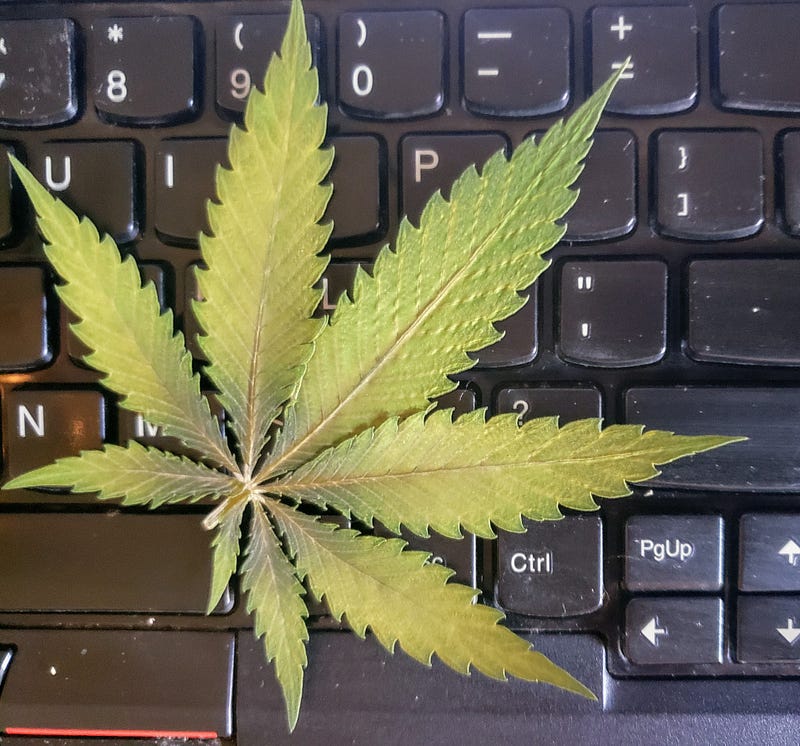
Leafly, weedmaps, and wikileaf all present an incredible amount of information, but it’s important to understand their limitations as search engines, especially if you want a sneak peek at the bud you’re going to buy. While the pandemic has improved the ability to order online and pick up orders, there are still many challenges facings consumers looking for a particular product.
I’ve been using Leafly more than usual recently. I have a goal to sample all of the G.O.A.T. Cup winners, and to sample organic sungrown strains across Oregon’s terroirs. This means that I must be intentional about my selections seeking flower from particular farms, many of which don’t even have a web presence.
In theory, that’s where these search engines can help me out, right?
As with any tool, my ability to use it is very much linked with my ability to understand it. When using any tool on this world wide web, it’s also important to note that if you aren’t paying for a product, you’re the real product. In the case of these cannabis search engines, that’s definitely true. These three tools don’t only link consumers to the cannabis they are seeking — they allow dispensaries, producers, and others to display their wares and engage their audience across the web and via phone apps.
To allow users to search by strain or producer requires a great amount of data integrations across several platforms and requires interfaces / prcoesses to synchronize the data between METRC (the seed to sale system required in many states), the dispenary’s POS, and the particular cannabis search engines. The list of entrants into the cannabis technology space grows as the industry expands, and with each system comes new data requirements and interfaces.
The amount of investment into these different platforms is going to be dictated about the perceived return on it, and in some instances dispensaries may invest in their own homegrown system to work in tandem with METRC.
In other words, it takes a bit of experimentation and finesse to understand when you can depend on the results and when you can’t.
You Can’t Depend on Pictures.
Does that picture of that bud look good to you? Look again — and look around at the site. You’ll notice that particular buds keep cropping again and again, because in many cases the search has default pictures of flower. That means, chances are you can’t depend on the picture to be an accurate representation of what’s in stock. If you are looking for a particularly noteworthy looking bud, it’s going to be necessary for you to get out there and try to secure what you’re looking for — in most cases you won’t be able to determine what your cannabis is going to look like based on the images you’re getting in the search engine.
Confirm Inventory
I’m seeking out particular strains from particular farms. I get to know which dispensaries have a regular relationship with the farms I enjoy the most and frequent those (I select the retailer based on the farmer). But, since I’ve had to seek out a variety of farms and strains, I’ve had to call and confirm to make sure that what I’m looking for is in stock. If you’re a medical patient and you need to find your particular medicine, or if you want to try a particular flower, you’ll probably want to pick up the phone and verify.
Strain Information
I’ve written a lot about strains, terpenes, as well as some of the limits around cannabis labeling, and all of those come into play here. The information briefs on these sites can be really helpful! But keep in mind that the terpene profile and cannabinoid information that you see listed there might NOT be what you are able to find your local dispensary. All of that is plant-dependent, and you’ll need to see the results for the products / flower YOU buy in order to truly see the terpenes and cannabinoids you are ingesting.
Farm / Producer Information
Depending on how the integrations happen between the systems, there can be instances where even the farm name will be wrong within the cannabis search engine! If you’re sure you’ve seen a favorite farm at a dispensary, but you don’t see it listed on Leafly, give them a call! A lot of times this information isn’t synchronized by interface, but by an inventory process at the end of the day by a person! It’s always worth it to check!
Originally published at https://oregoncannabisgazette.com on July 14, 2021.