What Cannabis Testing Doesn’t Tell You
Just how accurate is all the information printed on your label?
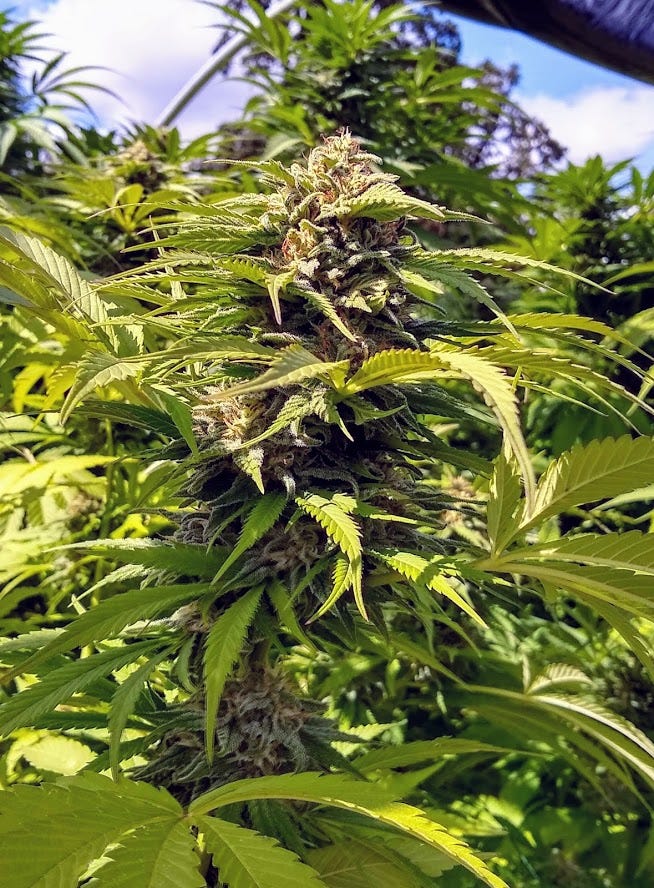
I’m working on a new story to help everyone leverage test information and strain information to not only get the high they want but also to help tune their pot palate. This is not that story. This is, instead, what resulted from my research.
It all started when I was writing up strains for the darlings at 54 Green Acres. As they love sharing the test results that demonstrate their ability to get great results from organic methods, I was poring over terpene data and analyzing it as I went, to ensure I could capture all of the information I could about each strain. When you’re dealing with organic cannabis, just like with organic food, smells and flavors are at the front and center of everything, which means a lot of terpene work.
Green Dragon is one of their most terptastic strains. This strain has been grown by 54 Green Acres since 2016, and its genetics originate from another Southern Oregon farm which is also a Certified Organic farm that is uses Sungrown techniques in Southern Oregon. This means the phenotype I was raving about has been lovingly cultivated in Southern Oregon soil for many years at this now, and it’s easy to tell from the robust flavor mix that you get when tasting it.
What can tests tell you?
Green Dragon’s eclectic terpene chart looks like this:

Terpinolene is the terpene that mainly comes from trees. It’s one of those smells that is strikingly astringent in large doses, but in smaller, you pick up different nuances to it. This terp helps turpentine get its smell, but it also is a huge note in the scent of lilacs, cumin, and green apples. Depending on how much terpinolene your strain has in it, it can smell or taste like one of those, or all of them. There’s so much terpinolene in this Green Dragon that it dwarfs the myrcene — and this strain is not low on myrcene. I was floored to see this result (and taste it. The secret about Green Dragon? The exhale is so notably different from the inhale, and so delightful, you get to feel like a dragon must. You inhale diesel and exhale floral, citrusy goodness).
Because I love data and am generally interested in how cannabis changes to its environment over time, I looked over the results that 54 Green Acres had published for the past few years and was surprised to see that the terpinolene had decreased from the year before. Imagining more terpinolene in a strain was a little batty for me. I knew that terpenes were what helped distinguish each of cannabis’ terroir and that many factors could go into a sungrown crop that could affect how the terpenes expressed in the final product.
One of the things that I learned from my healthcare days, is that you can’t always trust what a test tells you. So I started to wonder — what was up with that terpinolene wobble? Was it due to sampling inconsistency, a change in the strain itself, or testing abilities?
This got me to thinking — how much could you even trust these tests? Given that THC is one of the required points of data about cannabis for sale — how prevalent were the issues with testing just THC, which should be relatively simple to test (and has been pushed by the industry to be the standard)?
What Are the Issues with Oregon’s Testing Standards?
It ends up testing issues are more than prevalent, they’re endemic. In 2015, the Oregonian did a massive multi-part story covering shortfalls meant to inform residents of issues within the newly forming recreational cannabis industry. Not only were there issues in pesticides getting through the testing process, but there were discrepancies in edibles results as well. In reaction to this piece, in 2016 Oregon adopted some of the most stringent testing policies in the country. However, in 2017 the Oregonian once again did independent testing and found the system to be lacking. Also, they found that the state was not performing any sort of randomized testing on their own.
The years since have not helped labs or the state resolve these issues. In January of 2019, the Oregon Secretary of State released a document entitled “Oregon’s Framework for Regulating Marijuana Should be Strengthened to Better Mitigate Diversion Risk and Improve Laboratory Testing.” In it, 15 recommendations are made, intending to help Oregon make up lost time in their laboratory testing standards. It seems that nearly every portion of the lab and testing process has issues. Paper-bound processes constrain how labs are accredited to run tests. Unaccredited labs can subcontract tests, resulting in overtaxed accredited labs. And, as Caleb had pointed out in his email to me — even sampling methods were highly suspect.
One of the shocking deficiencies listed by the report was the lack of a reference lab. A reference lab is a third-party lab that you use to help determine the accuracy of the results of the other labs. Without a reference lab, there’s no means of calibration that the laboratories can use to ensure that their results are correct. It also found that the accreditation body for the labs was inadequately staffed and was too limited in authority to ensure they could operate effectively, in addition to having many of their processes on paper.
The audit also recommends that tracking be added to METRC, the seed-to-sale software used in Oregon, to allow tracking of when testing is subcontracted. Currently, in addition to ‘lab shopping’ by producers, where they will take their product from lab to lab until they get the THC value they want, there is also a loophole in how the labs themselves subcontract those results. If a lab isn’t accredited to run a particular test, it can subcontract that result to a lab that can — but there is no indication that such a thing happened, nor does METRC have the facility to record such information.
With all of these problems around rudimentary aspects of testing, such as pesticides, heavy metals, and THC — it’s no surprise that there are some nuances in terpene testing as well. If you look at the historical results of a particular strain at a particular farm over time, you can definitely see that testing capabilities have increased, which will bring the overall terpene counts and percentages to appear higher — when it’s our testing capability that has improved.
How can consumers be sure of what’s in (or not in!) their Cannabis?
For fellow flower-heads, there are several organic certification bodies that work with farms and producers to ensure the integrity of their inputs in addition to their outputs. Many of these farms are very savvy as to how to get a meaningful relationship with a testing lab, and some display their lab results with pride. Try to shop around and look for farms that openly share testing results and images of their flower.
If you consume concentrates, you can’t stop there. Extracts introduce an extra layer of possible contamination to your cannabis. Ensure that you understand the extract process being used to concentrate your flower and be sure that it’s right for your needs.
Edibles and tinctures play by many of the same rules as flower and concentrates. Ensure that you understand how the edible is created, and that the process fits what you are looking for.
Because of varying regulations from state to state, cannabis users everywhere will be facing such challenges, and those challenges will vary from state to state. Since cannabis is illegal on a federal level, we are still struggling to understand the benefits and effects of the plant and its terpenes. Additionally, there are many needs that still need to be met when it comes to testing for dangerous chemicals. While Oregon used to be at the forefront of testing requirements, it was quickly outpaced by a rapidly developing industry. The Secretary of State’s audit laid out many action items, it is unclear when their true delivery time will be, but Oregon’s program will vastly benefit from those improvements. Until then, consumers will need to find producers that align with their needs and values.
Sources:
Originally published at https://oregoncannabisgazette.com on June 23, 2020.