What is Dry Labbing?
Then There Were Ten.
A couple of weeks ago, I had the great opportunity to go on the podcast Marijuana Mind and talk testing. It was during that show that Cynthia Brewer, one of the show hosts, helped round out my list of ways labs cheat.
A few months ago, I came up with a list eight ways corrupt cannabis labs cheat. I assembled that list working with a lot of laboratories here in Oregon. The fact of the matter is, there are a disturbing amount of ways that cannabis labs can cheat, and if a lab director has their mind set on pleasing their customer and giving them the best results . . . there’s no stopping them. I thought I had it all covered with eight.
Later, when I summed up everything I had learned about the potency issue, I expanded the list to nine, when I realized that ‘the state doesn’t stop them’ is also a way that cannabis labs can game the numbers.
But Cynthia added one more to my list, bring it to an even 10 — dry labbing.
Sounds kinky, right? Well it’s definitely not for the morally upright. This is the cheating method for cannabis labs that sincerely do not care about morals, science, consumers, regulations.
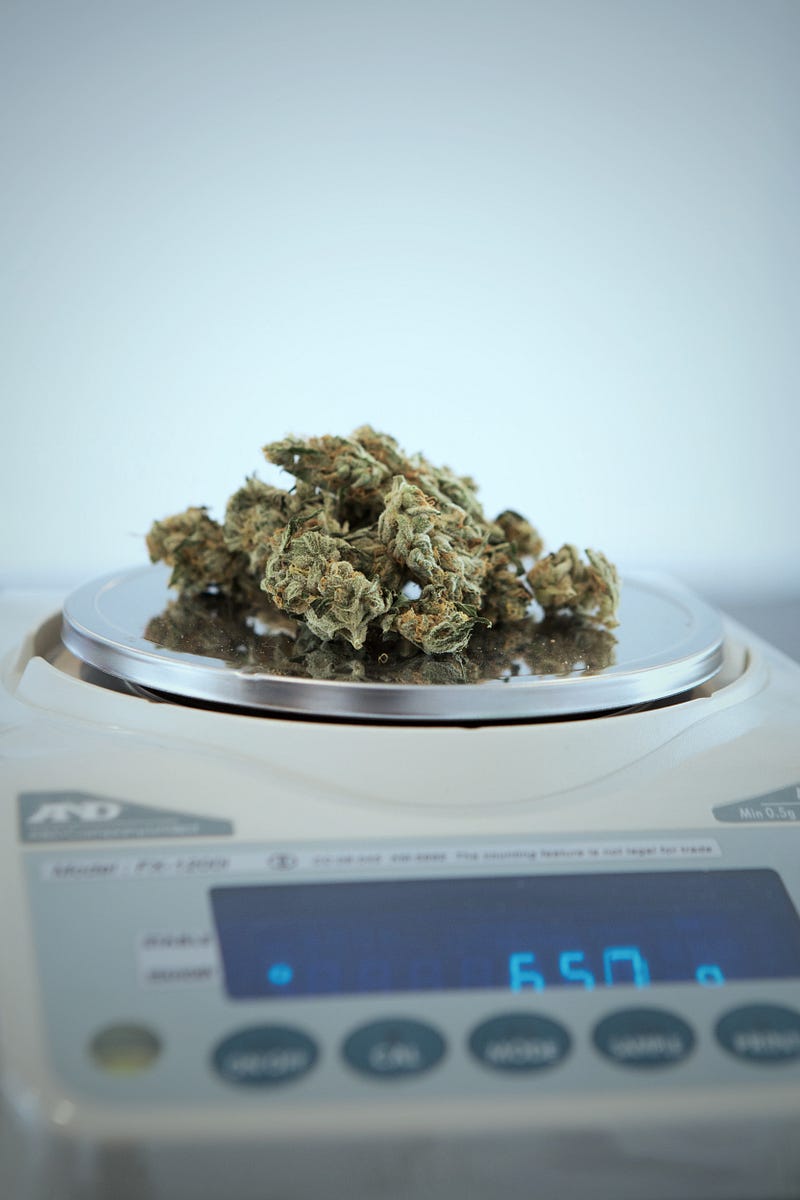
‘Dry Labbing’ describes when a lab doesn’t run any tests at all — and just enters in whatever information they want it to be. Potency? Fuck it, 46%. Pesticides? Pass.
A real-life example of similar behavior would be what Lightscale Labs did when they weren’t able to test to the state’s standards, but passed cannabis on pesticide tests anyway.
The Good News
The good news is that for states that have robust data management practices around their seed to sale systems and use them to meaningfully capture data (Shout Out: Oregon has quite lovely datasets!), this one has one easy path to detection. There is the real possibility that in a lot of cases, nefarious actors would turn the tests around near-immediately. For regulators seeking to detect this behavior, it should be a matter of looking at the fields that indicate the date of receipt by the lab vs. date of the result. From there a simple sort or filter will show any test results faster than feasible.
The Bad News
The bad news is, in the case of rogue cannabis labs, we are talking about, basically, scientists ‘gone bad.’ Many of them understand exactly how they could be caught via the data and make sure they bump right up next to those regulations, giving themselves plausible deniability.
As more states move to legalize cannabis and give people access to this amazing plant, it’s vital for consumer safety that laboratories are incentivized to stay honest. The current market structure does not incentivize consumer protection. It is a race to the top for potency while simultaneously being a race to the bottom.
Unfortunately, there is a economic payoff for being a crooked scientist, while the labs that are concerned for consumer safety and honesty are being driven out of business.