What Most Regulators Get Wrong About Cannabis Testing
If There’s No Off-The-Shelf Testing, There are No Guarantees That the Product in Dispensaries is Labeled Accurately, Much Less Safe.
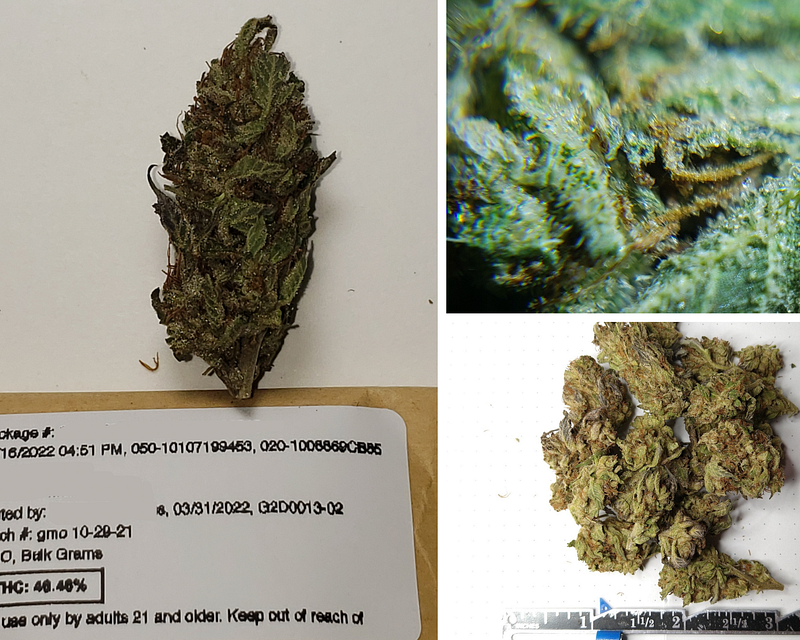
When I wrote the series of articles about cannabis lab testing, I was focused on how laboratories can manipulate THC percentages for clients. After over a year of researching cannabis labs extensively I suspect that the biggest thing regulators get wrong about cannabis testing is a failure to test off the shelf. The inherent chain of custody issues that make testing entirely dependent on what farmers or producers to present to laboratories mean that it’s vital that cannabis regulators create off-the-shelf testing programs.
Without such programs, it’s how we end up with 46% THC cannabis and pesticides on the shelves. Regulators are failing consumers when they don’t have an off-the-shelf testing program that supplements their other audit strategies.
I wrote about chain of custody issues and off-the-shelf testing reform at Eye on Cannabis (dot org!) in a piece called “How Cannabis Testing Falls Short: The Underused Power of Off-The-Shelf Testing. The long and the short of the article is: even recent recalls have demonstrated that off-the-shelf testing is a vital component to regulatory audit strategies in order to keep consumers safe. This is especially true because of the chain of custody issues inherent in most states.
What is Chain of Custody and How Does it Impact Cannabis Lab Testing?
Chain of custody is a term for all the documentation and processes used to maintain the integrity and reliability of the samples being tested. Chain of custody issues are problems with the collection, handling, transportation, and storage of samples. In some cases, samples are presented to the laboratories for testing by their clients. This creates a chain of custody issue since there is no guarantee other than the producer’s good word that the product is the same that will be packaged and / or sent to shelves. Sample contamination and sample tampering are two other chain of custody issues, and without a comprehensive off-the-shelf testing strategy, it would be impossible to catch.
Off-the-shelf testing can’t prevent these issues — but they can minimize harm to consumers.
What Are the Risks of Not Having Off the Shelf Testing For Cannabis?
Exposure to harmful contaminants. Recent recalls have made it clear that it’s possible for contaminants to make it to the shelf and without off the shelf testing, there is a much greater risk that a variety of contaminants could be undetected.
Inaccurate labeling. Without off the shelf testing, there is an even greater risk that THC percentage could be inaccurately labeled. Even more troubling, as recalls have demonstrated, is the fact that dangerous contaminants could be missed if off-the-shelf testing isn’t performed.
Lack of quality control. There is a risk that there could be inconsistencies in the quality and composition of cannabis products if there is no means of testing product off-the-shelf. This could lead to variations in the effects of the product, which could bring more risk for consumers, especially those sensitive to THC content. Case and point: consumers, upset about being defrauded and overpaying, recently filed five class action lawsuits alleging THC inflation this past year.
Undermines the legal market. Legal cannabis markets are undermined by poor testing regulations and poor quality control and audits of those regulations. The main differences between the illicit and legal markets are legal markets claim to ensure safety and accuracy in labeling and generate tax revenue. Without basic controls like off the shelf testing in place, the legal cannabis market can’t accomplish those goals, and the illicit market continues to prosper.
One of the biggest lessons I’ve learned about cannabis testing is that off-the-shelf testing is vital to help mitigate the issues that might impact cannabis consumer health.