Why Cannabis Users Should Care About Terpenes
What is a Terpene? It’s actually a very important component to getting the most out of your cannabis experience.
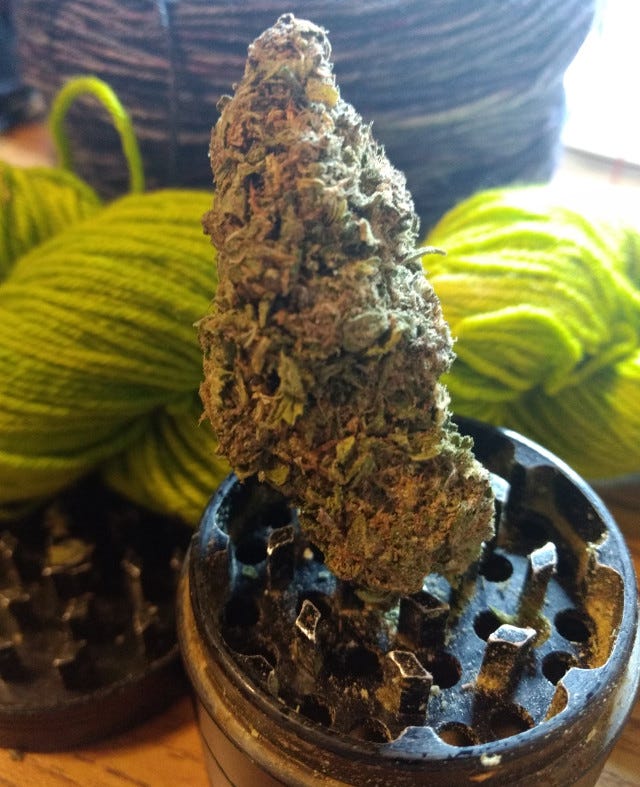
What is a Terpene?
Terpenes are a diverse class of aromatic compounds produced by plants (and some insects). August Kekulé coined the term terpene as a derivative of turpentine (which, at the time, was spelled ‘terpentine’). Terpenes are hydrocarbons that are classified by the number of isoprene units in the molecule, which is why you will sometimes see a prefix such as ‘monoterpene’ or ‘sesquiterpene’. The prefix indicates the number of terpene units needed to assemble the molecule.
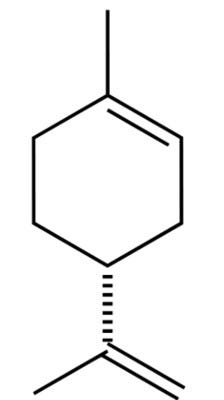
As terpenes are some of the primary constituents of essential oils, it should be no surprise that the way that most people experience terpenes is through fragrance and flavor. Since terpenes are often what gives plants their characteristic smells and flavors, terpenes are often in use in perfumery and culinary products. Many terpenes have been proven to have applications that range from medicinal to industrial.
For cannabis users there are three particularly compelling reasons to learn about the terpenes in your products — be it flower or extracts. Terpenes contribute to feeling high, terpenes are often the source of the health and wellness benefits that users are seeking, and terpenes add fragrance and flavor to the cannabis experience.
Entourage Effect and Feeling High
In a groundbreaking study, JAMA recently determined that the feeling of being high is not due to levels of THC in the blood alone. Unfortunately, it will take years of effort to disseminate this information to consumers, as the prevalent understanding about cannabis’ effects being solely THC driven are so endemic that in many states, the only requirement for labeling is the product’s THC percentage/contents.
In a 2001 study, Dr. Ethan Russo examined the entourage effect. In this study, Dr. Russo found that terpenes and cannabinoids worked together and that it is the effect of the hundreds of different compounds contained in cannabis — from cannabinoids like THC to terpenes like limonene — that create the effects that users are seeking. With mobile laboratory innovations, more research is certainly on the horizon regarding how all of these compounds interact.

Anecdotally, anyone who has had the privilege to consume some THC crystals (before strain-specifics became a more prevalent method to create ‘THC Diamonds) has insight into the entourage effect. It was by consuming THC crystals that I learned how much terpenes and other cannabinoids had to do with the actual sensations of being high. By using the crystals alone, I discovered just how many of the effects of cannabis were due to strain-specific attributes and that many of the things I found notable about how strains interacted with my symptoms were due to the terpenes in addition to the psychoactive (and for me, calming) feeling of the THC.
Medical Benefits
There have been numerous medical studies regarding the benefit of isolated terpenes. Many terpenes have been scientifically proven to have medical benefits (often these benefits were found to mimic indigenous wisdom) that range from pain-relieving, tranquilizing, and tumor-reducing properties. This isn’t the case of a cannabis user being over-enamored with cannabis and seeing it as a panacea, either, as the presence of terpenes in plants other than cannabis is what has been supporting such research efforts.
There are hundreds of terpenes found in the cannabis plant, and most of them are also present in a large variety of plants. Terpenes surround us in our lives already — from creating our perfumes to flavoring our food to scenting our cleaning products. Many terpenes are also in use medically. For instance, squalene is a chemical predecessor to steroids. Scientists across many fields are examining the anti-microbial, anti-viral, and anti-fungal properties of some terpenes. Paclitaxel is a chemotherapy drug derived from a terpene found in the yew plant, which traditional Chinese medicine often used to treat various cancers.
Even a cursory view of such medical benefits should be enough to convince even the most casual of cannabis users to begin to take note of their favorite terpenes. A recent study by Oasis Intelligence found that 44% of cannabis consumers use for medical purposes, and an understanding of terpenes would be vital to their efforts.
Contributions to the Flavor
Maybe it’s because I dry herb vape, but I love a well-flavored bud. There’s something primal and transcendent about grinding a strain and drinking in its sweet, musky scent before consuming it. For me, part of the emotional appeal and comfort of cannabis is within the experience of the fragrance and flavors. It’s my psychoactive form of aromatherapy.
The olfactory bulb is the part of the brain that is the closest to the world. It should be no surprise that for many cannabis users, our experience of cannabis and our descriptions of it focus on its smell. Terpenes are what give cannabis its special scent, and that centers them in our cannabis experience.
Until this point, the cannabis industry focused on THC as the marker of the efficacy of cannabis as there were no ways to support research to the contrary. As more researchers begin to discover methods of working with cannabis, we will all have a lot more to learn about our beloved plant.
Sources:
https://en.wikipedia.org/wiki/August_Kekul%C3%A9
https://strainprint.ca/understanding-terpenes-myrcene/
https://link.springer.com/chapter/10.1007/978-3-030-31269-5_15
https://bpspubs.onlinelibrary.wiley.com/doi/pdf/10.1111/j.1476-5381.2011.01238.
Originally published at https://oregoncannabisgazette.com on July 3, 2020.